
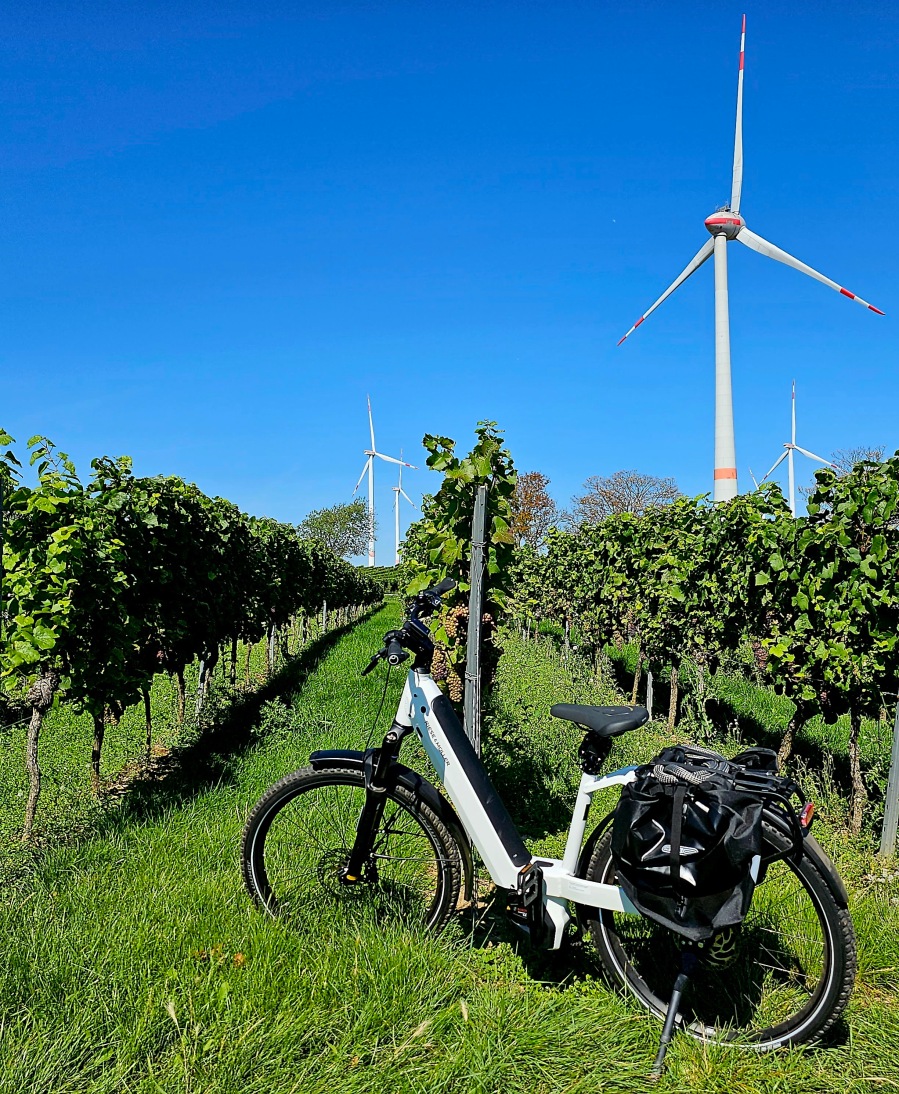
1793 words / 9382 characters
E-Bike Passion: Discover the Benefits and Joys of E-Bike Riding, Exploring New Cities

Image Source: FreeImages
## Introduction to E-Bikes
E-bikes have revolutionized the way we commute and explore the great outdoors. With their electric assistance, these two-wheeled wonders have become increasingly popular among enthusiasts and casual riders alike. Whether you’re an urban dweller or an adventure seeker, e-bikes offer a range of benefits that make them an attractive alternative to traditional bicycles. In this article, we will delve into the world of e-bikes, exploring the advantages they bring, the joy they provide in discovering new cities, and how they can contribute to your fitness journey.
Advantages of Riding an E-Bike
E-bikes offer a myriad of advantages over conventional bicycles. One of the key benefits is the electric assistance they provide, making uphill climbs and long distances a breeze. With just a flick of a switch, you can adjust the level of assistance to match your riding style and fitness level. This means you can ride longer distances without feeling exhausted, making e-bikes a great option for commuters and those who want to explore new and exciting cities in their area.
In addition to the electric assistance, e-bikes are also eco-friendly. By choosing to ride an e-bike instead of driving a car, you contribute to reducing air pollution and greenhouse gas emissions. This not only benefits the environment but also improves the overall air quality in our cities. Furthermore, e-bikes are more cost-effective than cars, requiring less maintenance and no fuel expenses. Investing in an e-bike is not only a smart choice for your wallet but also for the planet.
Another advantage of e-bikes is their accessibility. People of all ages and fitness levels can enjoy the benefits of e-bike riding. The electric assistance allows riders to travel at their own pace, making it easier for beginners and older individuals to keep up with more experienced riders. This inclusivity aspect of e-bikes fosters a sense of community and brings people together, regardless of their physical abilities.
The Joy of Exploring New Cities by E-Bike
One of the greatest joys of riding an e-bike is the freedom it provides to explore new cities and areas. Whether you’re a local looking to rediscover your own city or a traveler keen on discovering new destinations, e-bikes offer a unique and exciting way to navigate through urban landscapes. With an e-bike, you can effortlessly glide through traffic, bypassing congested streets and reaching your destination in a fraction of the time.
In addition to the time-saving aspect, e-bikes allow you to discover hidden gems and lesser-known neighborhoods that are often missed by traditional means of transportation. You can effortlessly weave through narrow alleys, explore local markets, and stumble upon charming cafes and shops. The electric assistance ensures that you can cover more ground and make the most out of your city exploration.
Furthermore, e-bikes provide an immersive experience, allowing you to engage with your surroundings on a deeper level. You can feel the pulse of the city as you ride through its vibrant streets, taking in the sights, sounds, and smells that make each place unique. E-bike riding not only offers a practical mode of transportation but also a way to connect with the soul of a city and its inhabitants.
E-Bikes and Fitness: Ride Hard and Stay Fit
Contrary to popular belief, e-bike riding can be an excellent form of exercise. While the electric assistance of e-bikes makes riding more accessible, it doesn’t mean that you can’t break a sweat and improve your fitness level. In fact, e-bikes offer a wide range of fitness benefits that can help you achieve your health goals while enjoying the ride.
One of the advantages of e-bikes is that they allow riders to control the level of assistance. If you’re looking for a challenge, you can choose to ride with minimal electric assistance, relying more on your own strength and endurance. This way, you can push yourself harder and benefit from a full-body workout. Riding an e-bike also engages your core muscles, as you need to maintain balance and stability while navigating through different terrains.
E-bikes are particularly beneficial for individuals who are recovering from injuries or have joint problems. The electric assistance can provide the necessary support, allowing you to exercise without putting excessive strain on your body. This makes e-bikes a great option for those who want to stay active and fit, regardless of their physical limitations.
Moreover, e-bike riding encourages regular physical activity by making it a fun and enjoyable experience. Unlike traditional exercise routines that can feel monotonous, riding an e-bike allows you to explore new routes, enjoy the scenery, and experience the thrill of speed. By incorporating e-bike riding into your fitness routine, you can stay motivated and make exercise a regular part of your lifestyle.
Safety Tips for E-Bikes
When riding an e-bike, it’s important to prioritize safety to ensure a pleasant and secure riding experience. Here are some essential tips to keep in mind:
- Always wear a helmet: Protecting your head is crucial in case of accidents or falls.
- Observe traffic rules: Treat your e-bike like any other vehicle and follow traffic regulations.
- Be visible: Use lights and wear reflective clothing, especially when riding at night.
- Be aware of your surroundings: Stay alert and anticipate potential hazards on the road.
- Maintain your e-bike: Regularly check the brakes, tires, and other components to ensure they are in good working condition.
- Ride defensively: Assume that other road users may not see you and take precautions accordingly.
By following these safety tips, you can enjoy the benefits of e-bike riding while minimizing the risks associated with it.
Choosing the Right E-Bike for Your Needs
With the growing popularity of e-bikes, there is now a wide range of models and types available in the market. Choosing the right e-bike for your needs can seem overwhelming, but with a few considerations, you can find the perfect fit. Here are some factors to consider when selecting an e-bike:
- Riding style: Determine whether you’ll be using your e-bike for commuting, off-road adventures, or leisurely rides.
- Range and battery life: Consider the distance you’ll be traveling and choose an e-bike with a battery that suits your needs.
- Motor type: Decide between hub motors, which are generally more affordable, or mid-drive motors, which provide better weight distribution and handling.
- Frame type: Choose between a step-through or diamond frame based on your preference and ease of mounting and dismounting.
- Test ride: Whenever possible, test ride different e-bike models to get a feel for their performance and comfort.
By evaluating these factors and considering your preferences, you can choose an e-bike that aligns with your riding style and caters to your specific needs.
E-Bike Accessories and Equipment
To enhance your e-bike riding experience, there are several accessories and equipment available that can improve convenience, safety, and comfort. Here are a few essential accessories to consider:
- Lock: Invest in a sturdy lock to secure your e-bike when you’re not riding it.
- Lights: Install front and rear lights to enhance your visibility and ensure safety, especially during low-light conditions.
- Panniers or baskets: These storage options allow you to carry your belongings while riding, making commuting or grocery shopping a breeze.
- Fenders: Keep yourself and your e-bike clean by installing fenders that protect against mud and water splashes.
- Mirrors: Enhance your situational awareness by attaching mirrors to your handlebars, allowing you to monitor traffic behind you.
These accessories are just a few examples of what’s available in the market. Depending on your needs and preferences, you can customize your e-bike with accessories that make your riding experience more enjoyable and convenient.
E-Bike Maintenance and Care
To ensure the longevity and optimal performance of your e-bike, regular maintenance and care are essential. Here are some maintenance tips to keep your e-bike in top shape:
- Clean your e-bike regularly: Remove dirt, dust, and debris to prevent them from affecting the bike’s components.
- Check the tire pressure: Proper tire pressure ensures a smooth and comfortable ride while reducing the risk of flats.
- Lubricate the chain: Apply a suitable lubricant to the chain to reduce friction and ensure smooth gear shifting.
- Keep the battery charged: Regularly charge your e-bike’s battery to maintain its capacity and longevity.
- Store your e-bike properly: When not in use, store your e-bike in a dry and secure location to protect it from weather elements and theft.
By following these maintenance practices, you can prolong the lifespan of your e-bike and enjoy its benefits for years to come.
Joining E-Bike Communities and Clubs
E-bike riding is not just a solitary activity; it’s an opportunity to connect with like-minded individuals who share your passion. Joining e-bike communities and clubs can enhance your riding experience by providing a platform for knowledge sharing, group rides, and socializing. These communities often organize group rides, where you can explore new routes and meet fellow e-bike enthusiasts.
Additionally, e-bike communities and clubs are a valuable source of information and support. Whether you’re seeking advice on maintenance, looking for recommendations on e-bike routes, or simply want to share your riding experiences, these communities provide a space where you can connect with others who understand your love for e-bikes.
Conclusion: Get Infected by the Passion for E-Bikes and Enjoy the Ride!
E-bikes have opened up a world of possibilities for riders of all ages and fitness levels. From the advantages they bring, such as electric assistance and eco-friendliness, to the joy of exploring new cities and staying fit, e-bikes offer a unique and exciting way to commute and embrace an active lifestyle. By following safety tips, choosing the right e-bike, and maintaining it properly, you can enjoy the benefits of e-bike riding for years to come.
So, why not get infected by the passion for e-bikes and embark on your own journey? Start exploring your city, discover new routes, and connect with others who share your enthusiasm. Whether you’re a seasoned rider or new to the world of e-bikes, there’s no better time to join the revolution and experience the freedom, joy, and adventure that e-bike riding offers. So hop on your e-bike, embrace the open road, and enjoy the ride!
















 need to feel better, move-on and evolve. Yet somehow we are hindered by fear, worry and a hundred other obstacles.
 making quick changes and enjoying their benefits, what we call- quick wins. Sadly, the older I get, the more cautious I become.
 An IT Evangelist Abroad